
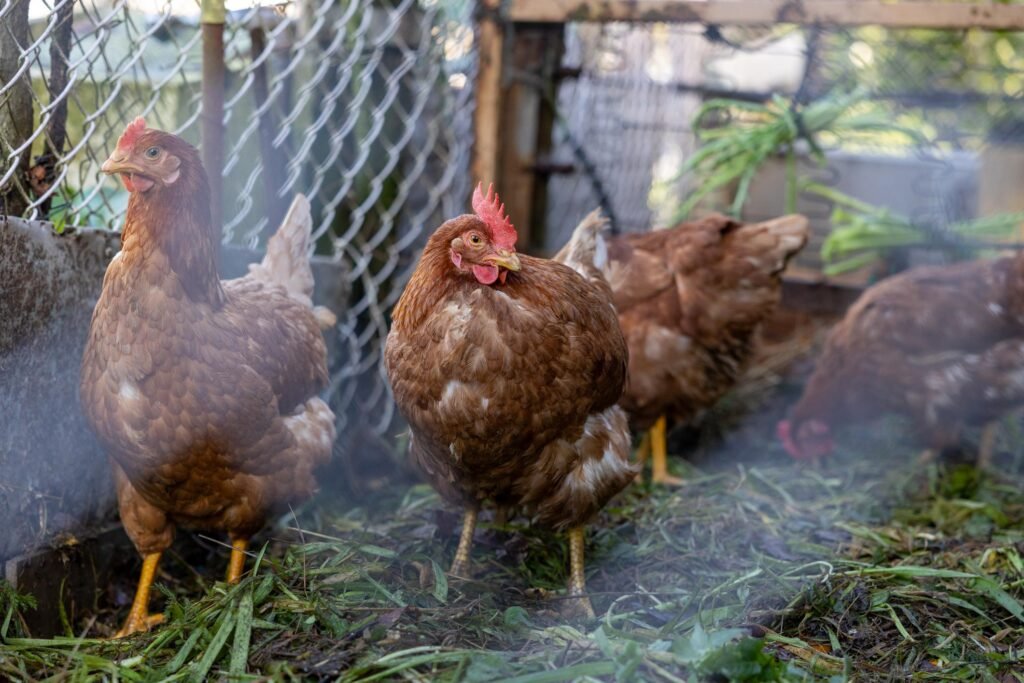
Learn the basics of raising backyard chickens, including coop setup, feeding, egg production, and daily care in this beginner-friendly guide.
Beginner’s Guide to Raising Backyard Chickens


Raising backyard chickens has become increasingly popular for families who want fresh eggs, natural pest control, and a closer connection to their food. Chickens are surprisingly easy to care for and can be a rewarding addition to your backyard garden.
If you’re just starting out, understanding the basics will help ensure your flock stays healthy and productive.
1. Check Your Local Laws
Before bringing chickens home, make sure they are allowed in your city or neighborhood. Many areas allow backyard chickens but may limit how many you can have or require permits.
Most residential areas allow 3–6 hens, but roosters are often restricted due to noise.
2. Start With Hens (Not Roosters)
For beginners, hens are all you need. Hens lay eggs regularly and are usually calm and easy to manage.
Roosters are not necessary for egg production and can sometimes become aggressive.
3. Choose Beginner-Friendly Breeds
Some chicken breeds are much easier for beginners than others.
Great beginner breeds include:
• Rhode Island Red
• Plymouth Rock
• Australorp
• Orpington
• Sussex
These breeds are known for being hardy, friendly, and good egg layers.
4. Build a Safe Chicken Coop
Your chickens need a secure coop to protect them from predators and provide shelter.
A good coop should include:
• Nesting boxes for laying eggs
• Roosting bars for sleeping
• Proper ventilation
• Protection from predators
A general rule is 4 square feet of coop space per chicken.
5. Provide a Secure Run
Chickens love to explore, scratch the ground, and hunt for bugs.
If you cannot free-range them, provide a chicken run where they can move around safely.
Allow 10 square feet per chicken in the run if possible.
6. Feed High Quality Chicken Feed
Chickens need a balanced diet to stay healthy and produce eggs.
Most beginners use:
• Layer feed (for egg-laying hens)
• Grit for digestion
• Oyster shells for strong eggshells
Chickens also enjoy vegetable scraps and garden leftovers.
7. Provide Fresh Water Daily
Clean water is essential for healthy chickens.
Chickens drink more water than most people expect, especially during hot summer months.
Check water containers daily to keep them clean and full.
8. Keep the Coop Clean
Regular cleaning prevents disease and keeps your chickens comfortable.
Basic cleaning routine:
• Remove droppings weekly
• Replace bedding regularly
• Deep clean the coop monthly
Dry bedding such as pine shavings works well.
9. Protect Chickens From Predators
Common predators include:
• Raccoons
• Foxes
• Hawks
• Snakes
Make sure your coop and run are secure with strong fencing and locks.
10. Enjoy Fresh Eggs
Healthy hens usually begin laying eggs around 5–6 months of age.
Depending on the breed, each hen may lay 4–6 eggs per week.
Fresh backyard eggs are often richer in flavor and nutrition than store-bought eggs.
Final Thoughts
Raising backyard chickens is a fun and rewarding experience for beginners and experienced gardeners alike. With a little preparation and daily care, chickens can provide fresh eggs, pest control, and a wonderful addition to your backyard ecosystem.
Starting with a small flock and learning as you go is the best way to build confidence as a backyard chicken keeper.
At The Hip Little Garden, we believe growing food at home — whether vegetables or eggs — brings people closer to nature and healthier living.