
Raise healthy hens with a safe, simple routine.
Learn the basics of flock size, coop design, daily feeding, egg care, predator protection and how hens can fit into a practical home-growing system.
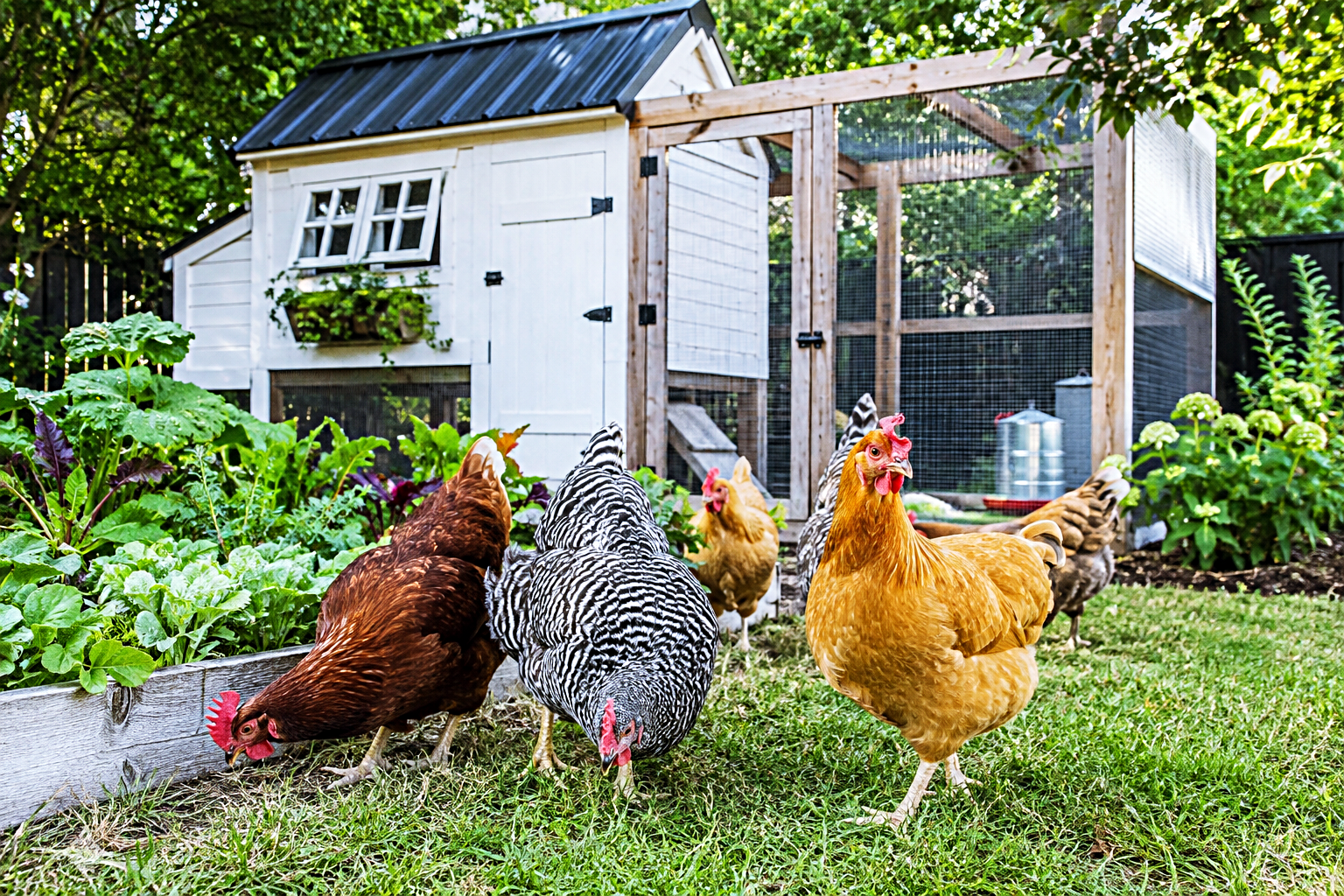
Plan for the flock you can care for every day.
Start with local rules, available space, predator risk and the daily routine your household can maintain.
Check local rules
Review zoning, flock limits, setbacks and rooster restrictions before buying birds.
Plan the space
Choose room for a secure coop, outdoor run, feed storage and cleaning access.
Assess predators
Consider dogs, raccoons, hawks, snakes and other local threats.
Commit to daily care
Hens need food, water, observation and secure housing every day.
Match your flock to your goals and climate.
Temperament, egg production, body size and weather tolerance can all affect the right choice.
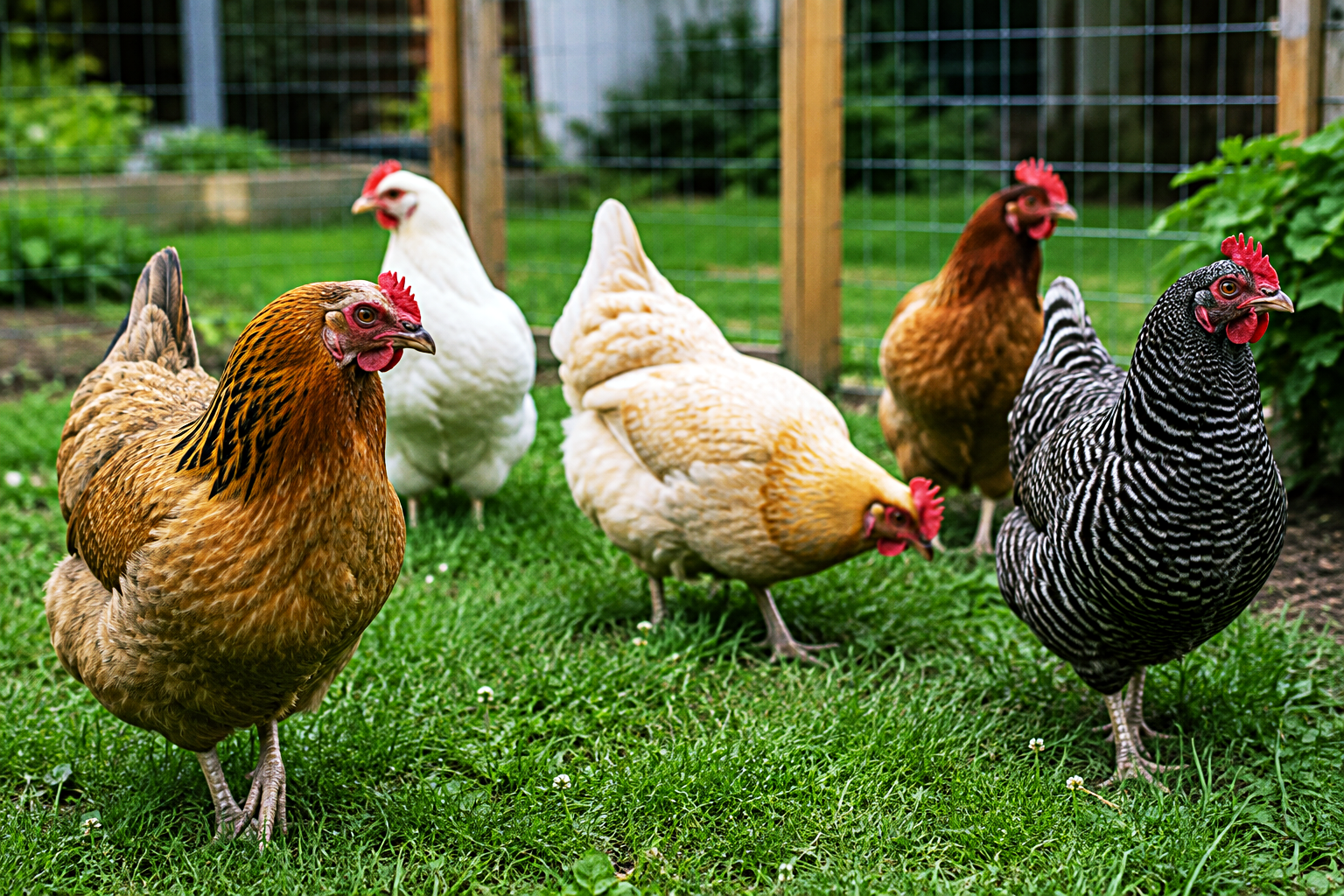
Calm family flock
Choose friendly, manageable breeds when children or frequent visitors are nearby.
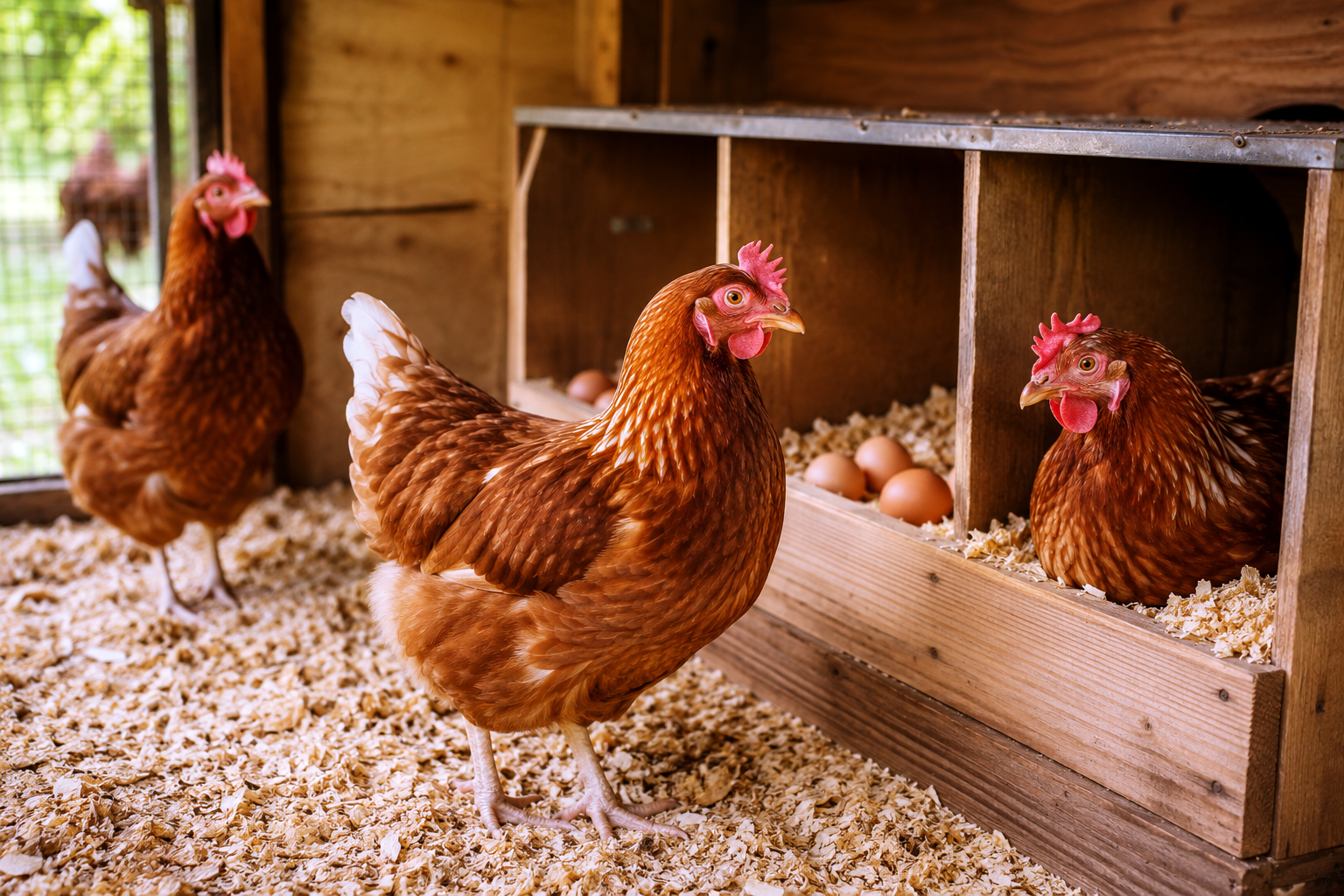
Egg-focused flock
Select reliable laying breeds when household egg production is the main goal.
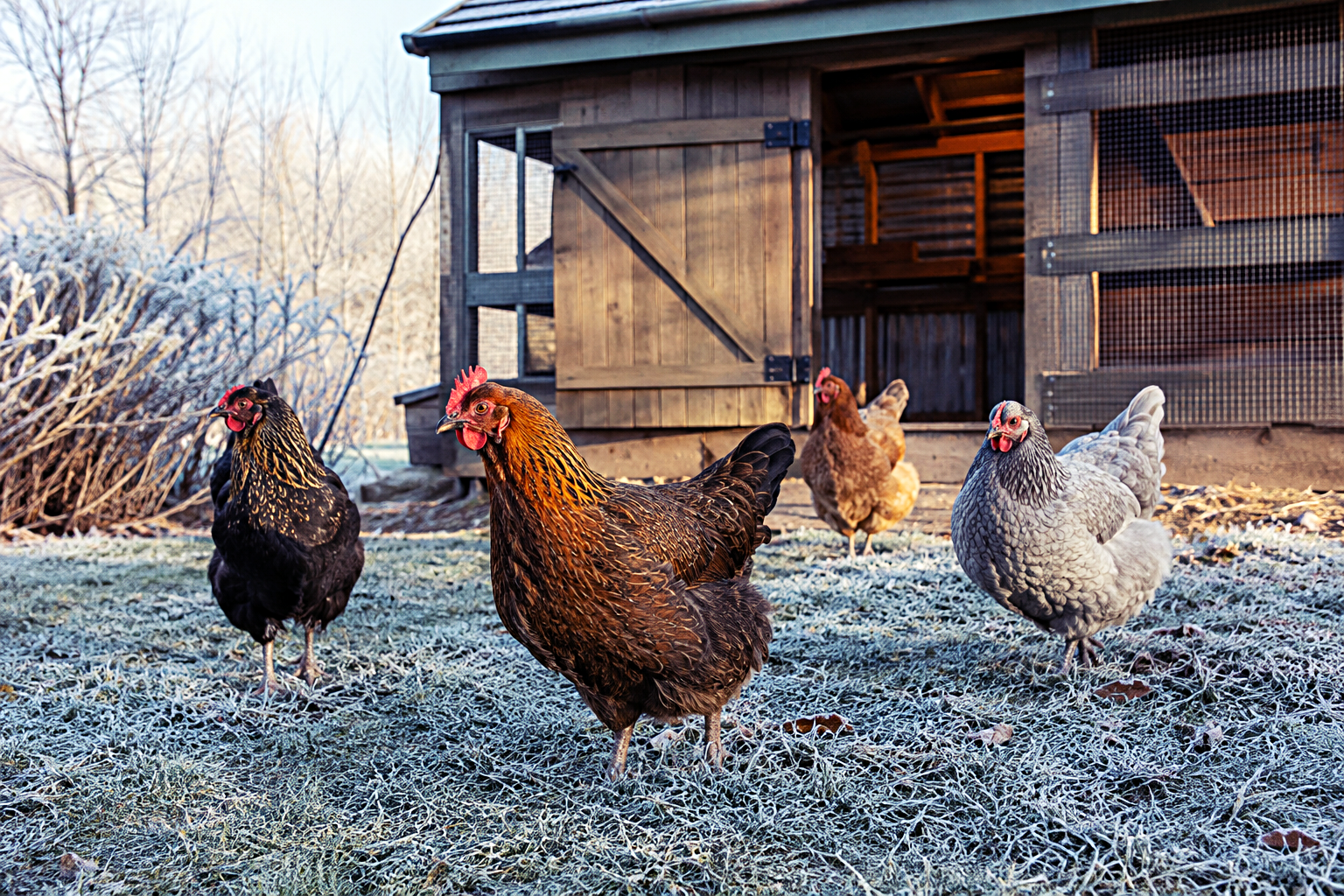
Climate-suited flock
Choose breeds that can handle the heat, cold and seasonal conditions in your area.
Build for security, airflow and easy cleaning.
A good coop protects hens while making daily care practical for you.
Secure structure
Use strong latches, durable wire and closed gaps around the coop and run.
Ventilation
Provide airflow above roost level without creating harsh drafts across the birds.
Roosts and nests
Give hens stable roost bars and quiet, clean nesting spaces.
Cleaning access
Design doors, floors and bedding areas so routine cleaning is manageable.
Keep the flock’s basic needs reliable.
Balanced feed
Use feed formulated for the birds’ age and production stage.
Fresh water
Provide clean water daily and prevent freezing, overheating or contamination.
Grit
Offer appropriate grit when hens eat foods that require grinding in the gizzard.
Calcium support
Provide appropriate calcium access for laying hens according to their needs.
Create a clean, quiet place to lay.
Comfortable nest boxes
Keep nesting spaces dry, dim, clean and easy to inspect.
Collect regularly
Gather eggs often to reduce breakage, dirt and unwanted nesting behavior.
Watch for changes
Egg production can shift with age, season, stress, nutrition and health.
Build daily and weekly habits.
Morning check
Open the coop, refresh water, check feed and observe the flock.
Midday glance
Confirm shade, water and general flock activity during changing weather.
Evening secure
Count hens, close the coop and verify that all latches are secure.
Weekly cleanup
Refresh bedding, clean equipment and inspect the coop and run for damage.
Know what “normal” looks like for your flock.
Watch for behavior changes
Reduced activity, isolation, poor appetite or unusual posture can signal a problem.
Check breathing and eyes
Notice discharge, swelling, repeated coughing, wheezing or labored breathing.
Inspect feet and feathers
Look for injuries, mites, lice, damaged skin, limping or excessive feather loss.
Use qualified help when needed
Contact a veterinarian or experienced poultry professional when a hen appears ill or injured.
Create a practical home-growing cycle.
Hens and gardens can support one another when waste, access and food safety are managed carefully.
Garden scraps
Offer only suitable foods and avoid moldy, spoiled or unsafe material.
Managed manure
Compost litter properly before using it around food crops.
Controlled access
Use fencing or supervised access so hens do not destroy young plants.
Clean harvest areas
Keep feed, manure and poultry traffic separate from produce handling areas.
Prepare before the hens arrive.
Housing and protection
Daily care supplies
Choose your next step.
A healthy flock begins with a safe home and consistent daily care.
Start with a manageable number of hens, learn their normal behavior and improve the system slowly.