
Build a productive outdoor garden around your space and season.
Grow in containers, raised beds or in-ground plots using natural sunlight, healthy soil and a routine that works with your climate.
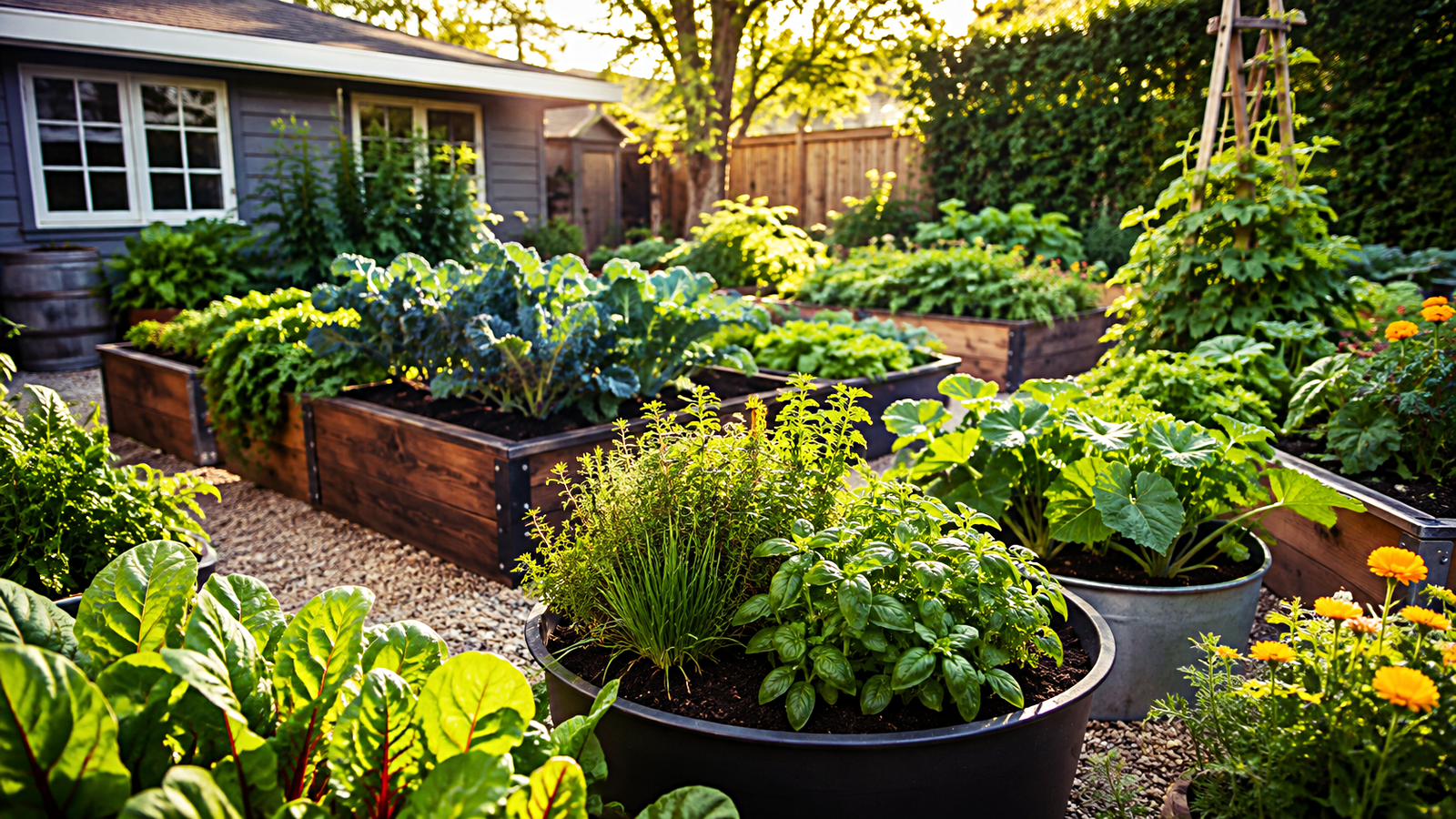
Three practical ways to grow outdoors.
Each option can work well when it matches your available space, soil and maintenance routine.
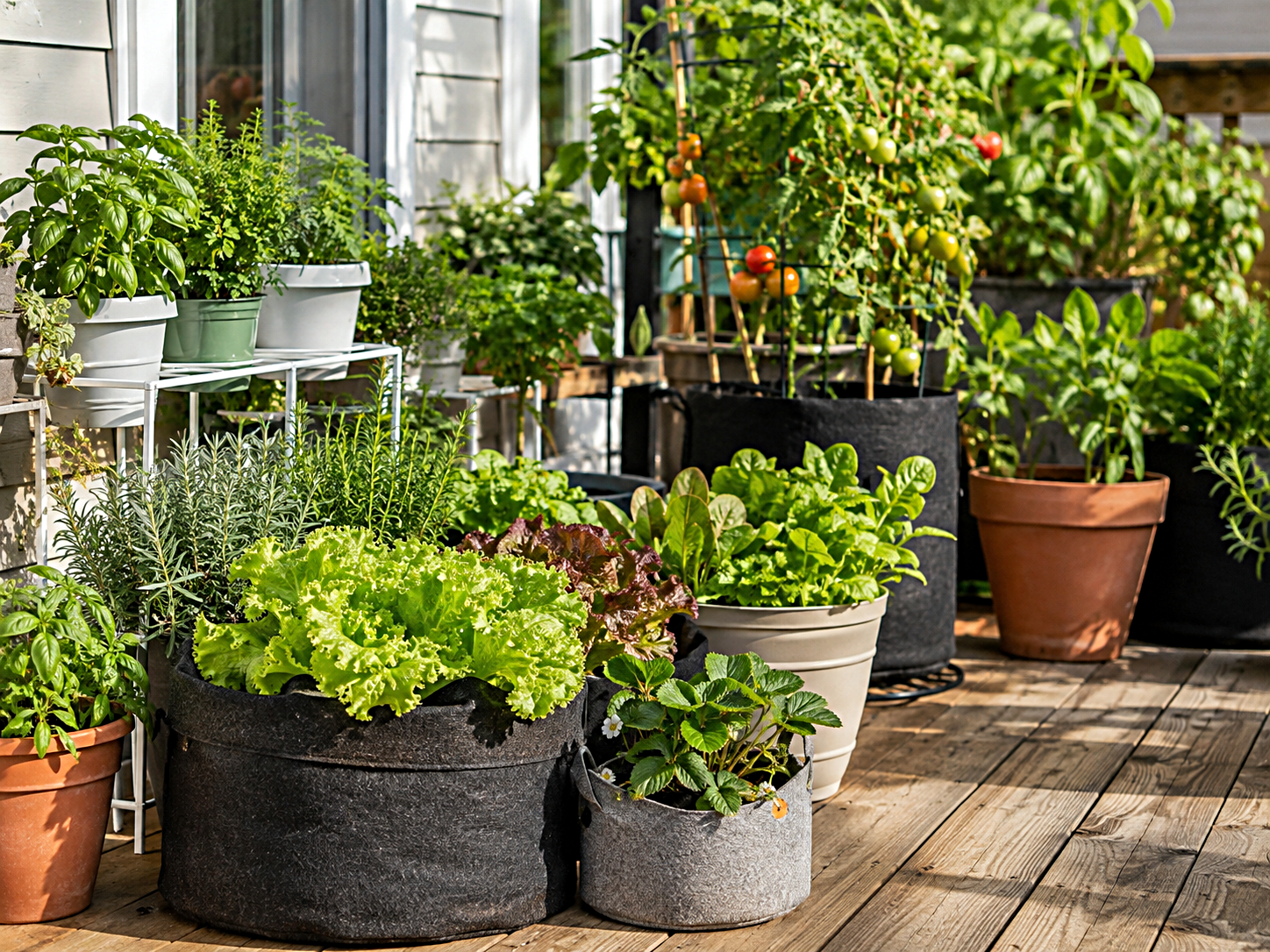
Container Gardening
Use pots, tubs and grow bags on patios, porches and balconies.
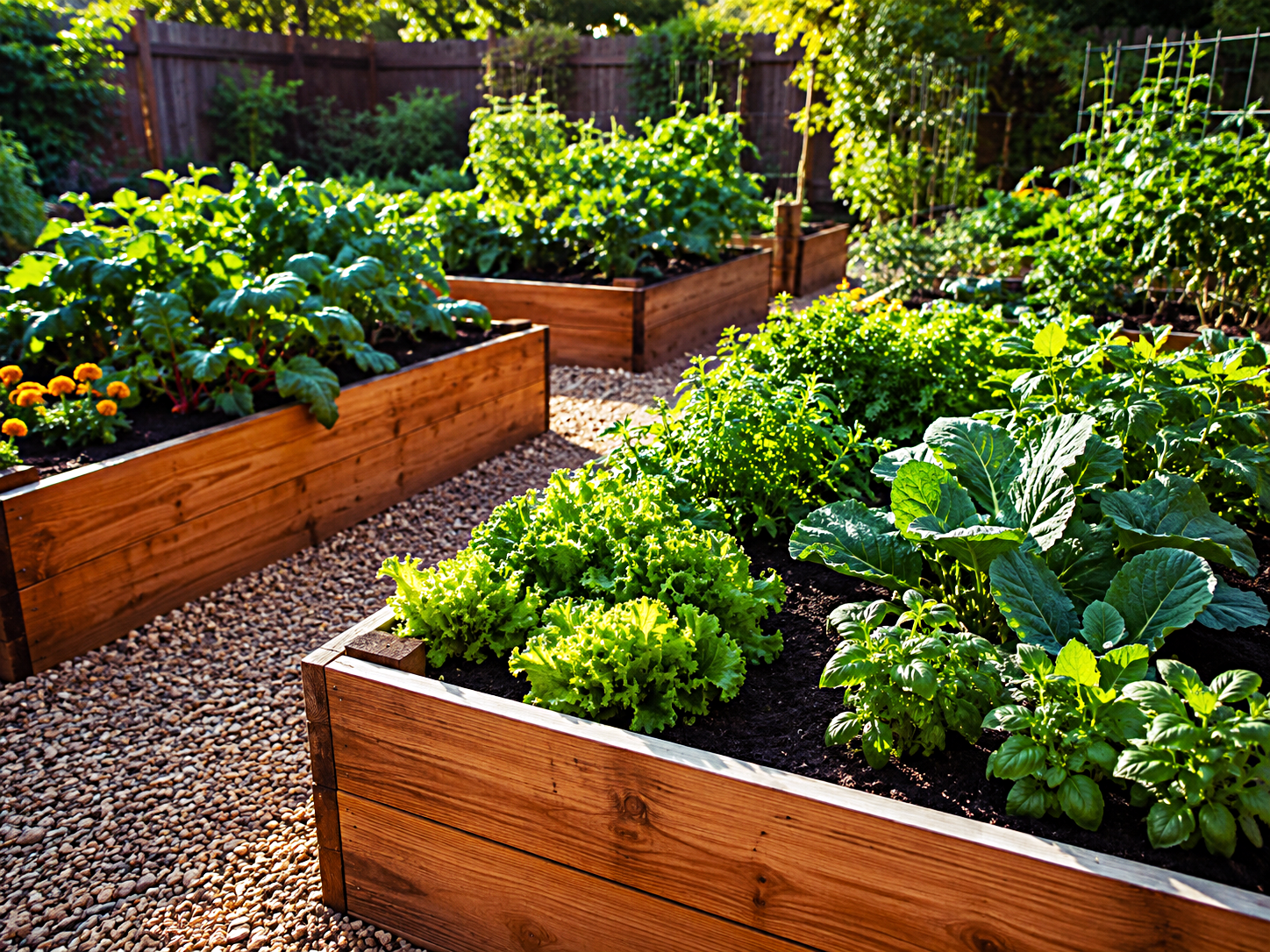
Raised Beds
Grow in contained beds with improved soil control and easier organization.
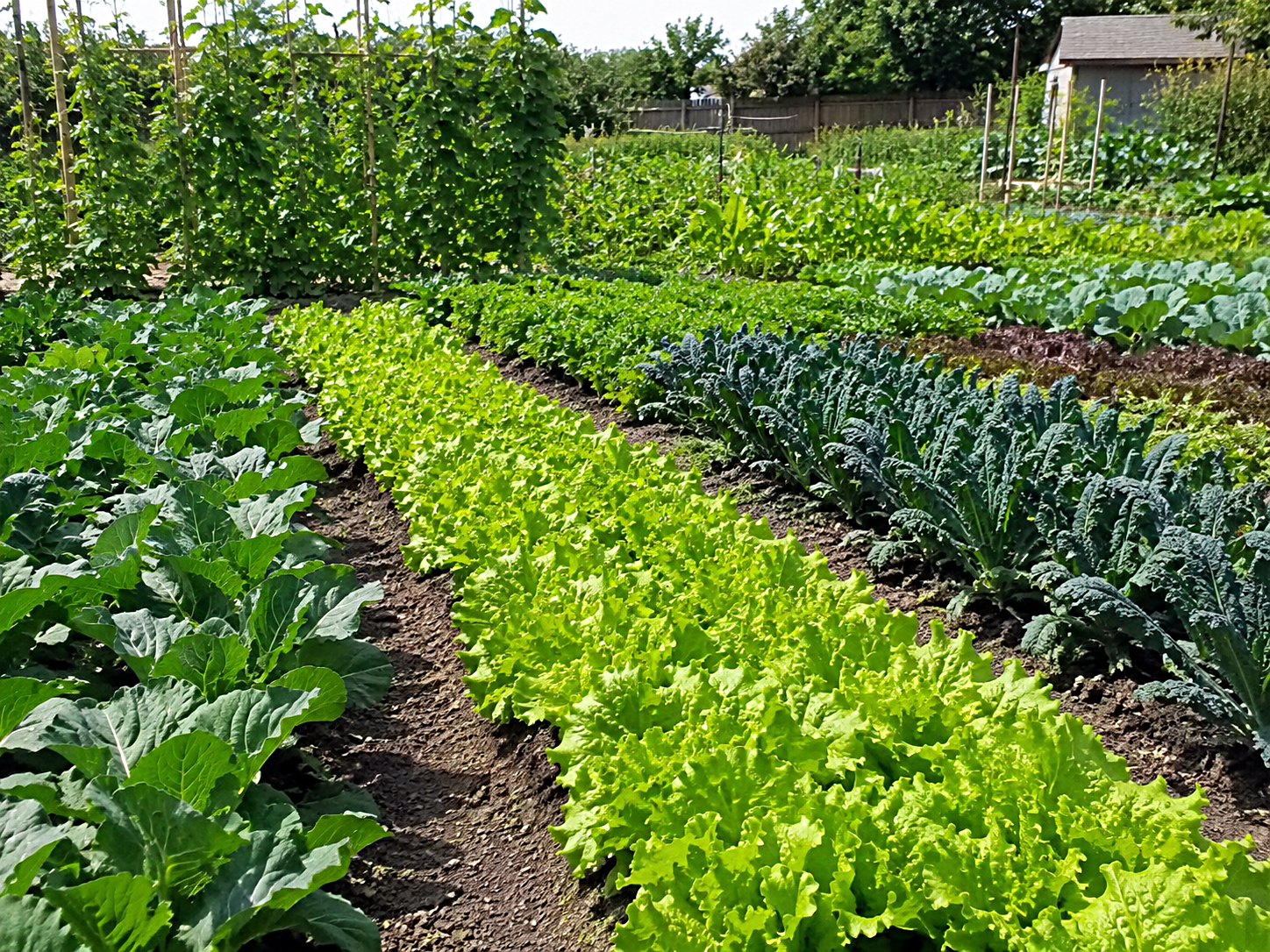
In-Ground Garden
Plant directly in prepared soil for a larger and more permanent growing area.
Good placement makes everything easier.
Sunlight
Observe how many hours of direct sun the area receives.
Water access
Choose a location that is easy to water consistently.
Drainage
Avoid spots where water regularly collects after rain.
Convenience
Place the garden where you will notice and care for it often.
Build soil that holds moisture and drains well.
Good soil supports roots, stores nutrients and helps plants handle stress.
Add organic matter
Compost can improve soil structure, moisture retention and nutrient availability.
Avoid overworking
Loosen and prepare the soil without repeatedly compacting or disturbing it.
Protect the surface
Mulch helps reduce weeds, conserve moisture and soften temperature swings.
Choose plants that match your season.
Leafy Greens
Lettuce, kale and spinach can be productive in cooler weather.
Radishes
Fast-growing roots that help beginners learn spacing and timing.
Tomatoes
A productive warm-season choice for sunny beds and containers.
Herbs
Basil, parsley, chives and thyme fit many outdoor setups.
Build a simple outdoor routine.
Water deeply
Encourage roots to grow downward instead of relying on frequent shallow watering.
Mulch
Use mulch to conserve moisture, reduce weeds and protect the soil.
Harvest often
Regular harvesting can encourage continued production in many crops.
Inspect regularly
Look beneath leaves and around stems before problems spread.
Respond early and avoid changing everything at once.
Leaves have holes
Inspect for chewing insects, slugs, caterpillars or animal damage.
Plants wilt in the afternoon
Check soil moisture, heat exposure and root conditions before adding more water.
Fruit production is low
Review sunlight, plant maturity, temperature and pollination conditions.
Weeds are taking over
Remove young weeds early and protect bare soil with mulch.
Gather the basics before planting.
Growing supplies
Helpful tools
Choose your next step.
A productive garden begins with the space you can care for consistently.
Start manageable, observe what works and let each season teach you what to improve next.