
Create a protected growing space that works beyond one season.
Greenhouses, hoop houses, cold frames and mini structures help protect plants, start seedlings earlier and keep harvests going longer.
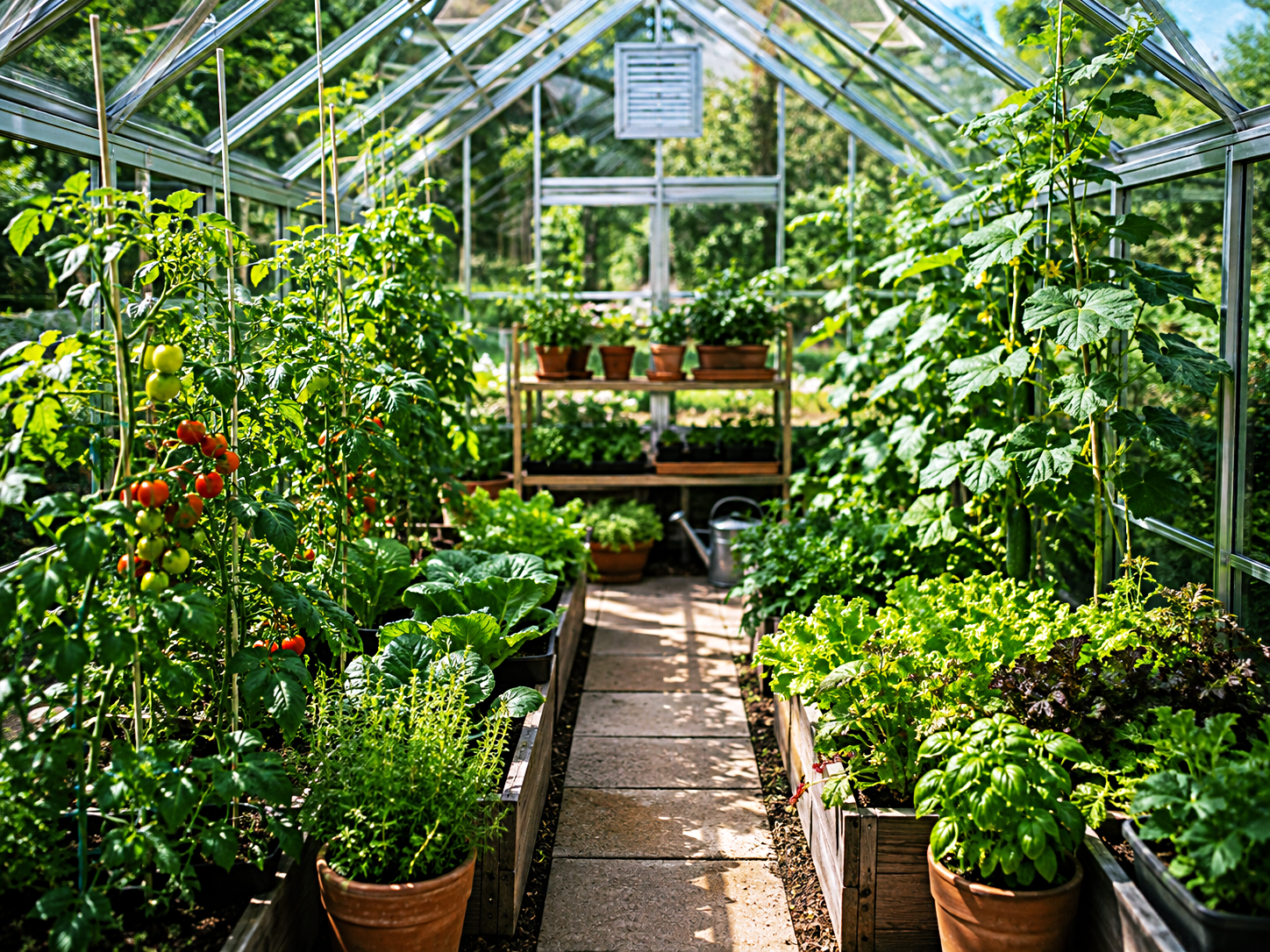
Four practical ways to grow under cover.
Start with the smallest structure that meets your goals and fits your available space.
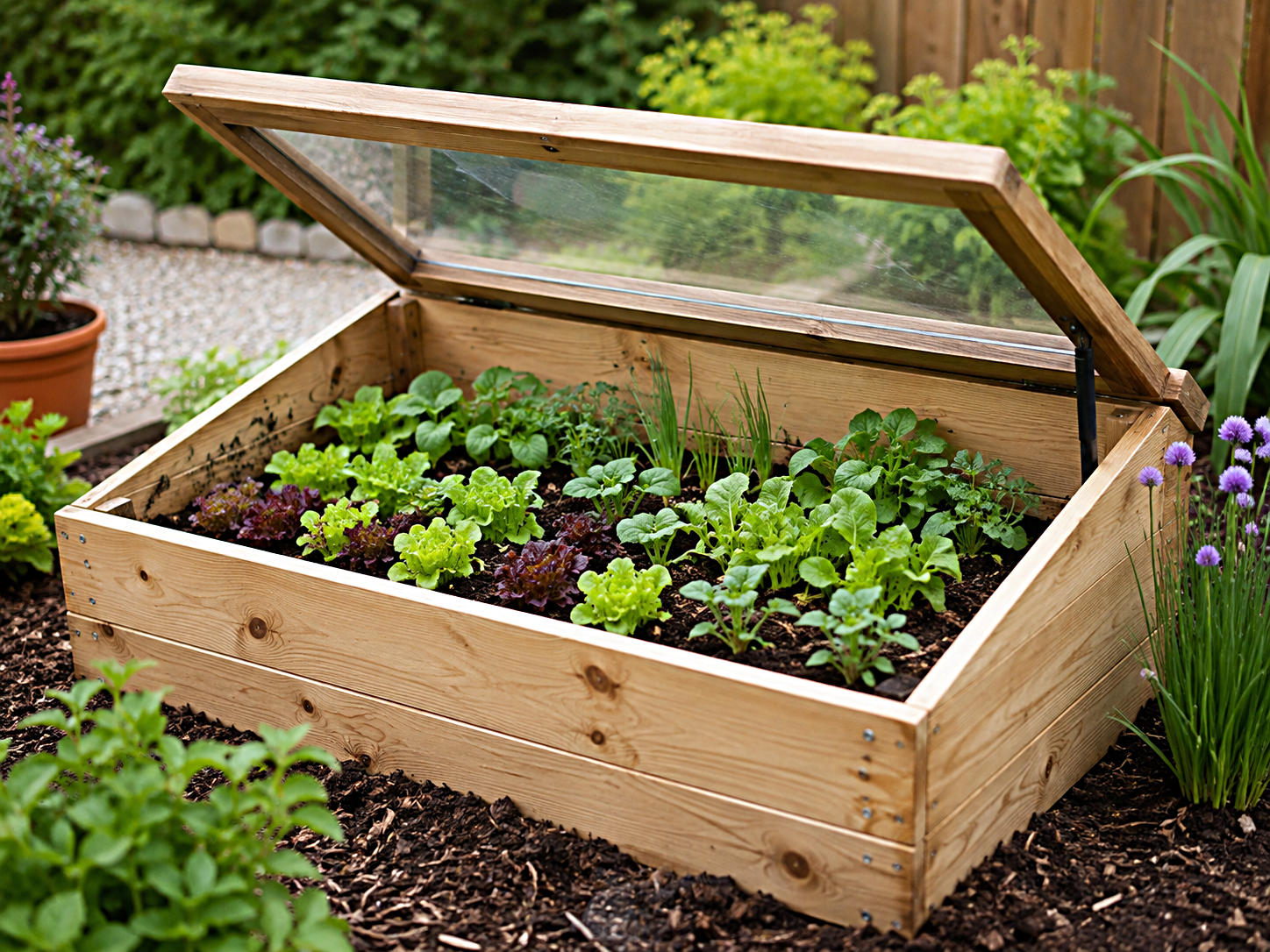
Cold Frame
A low covered box used to protect seedlings and cool-season crops.
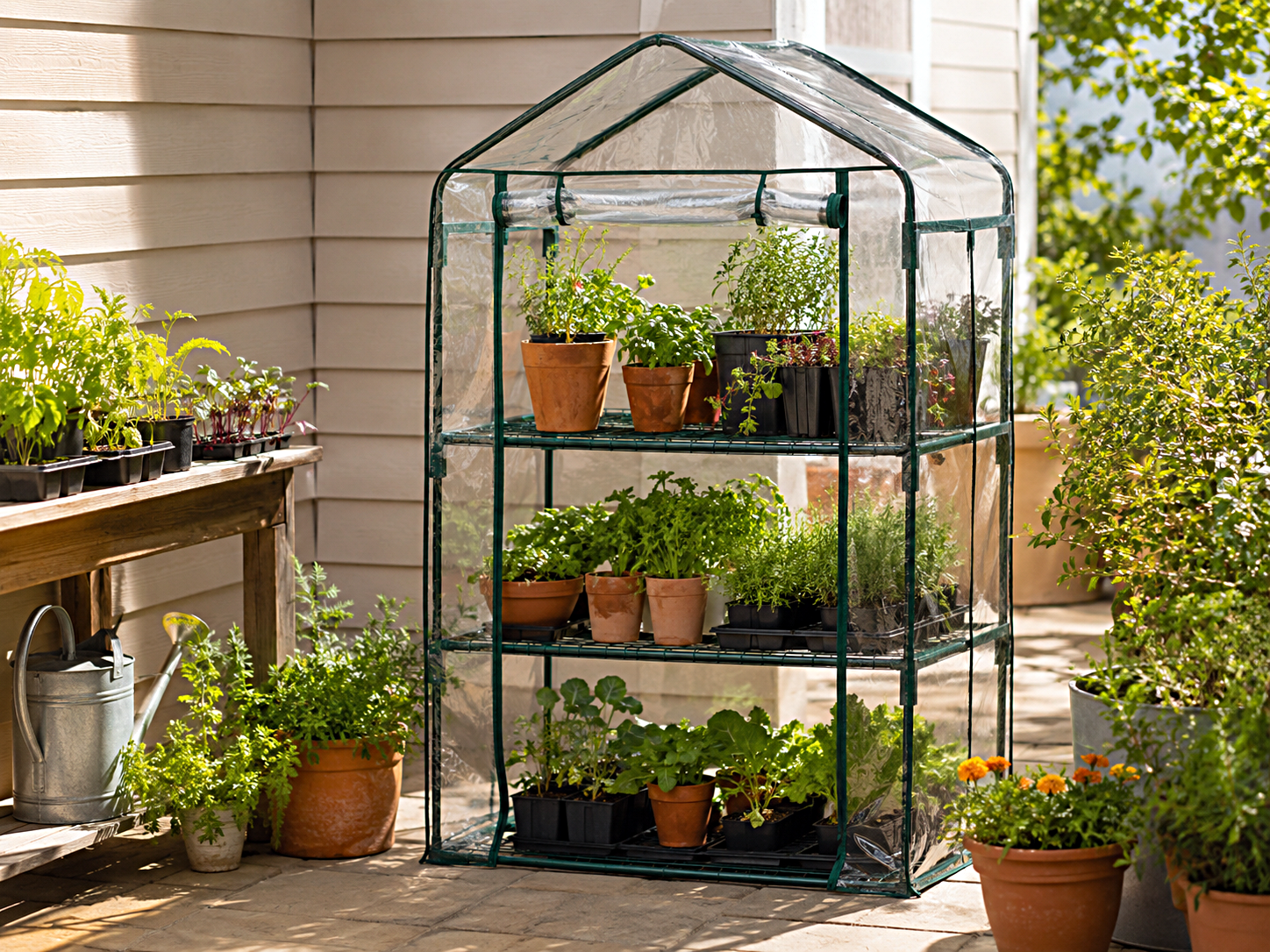
Mini Greenhouse
A compact covered structure for patios, balconies and small yards.
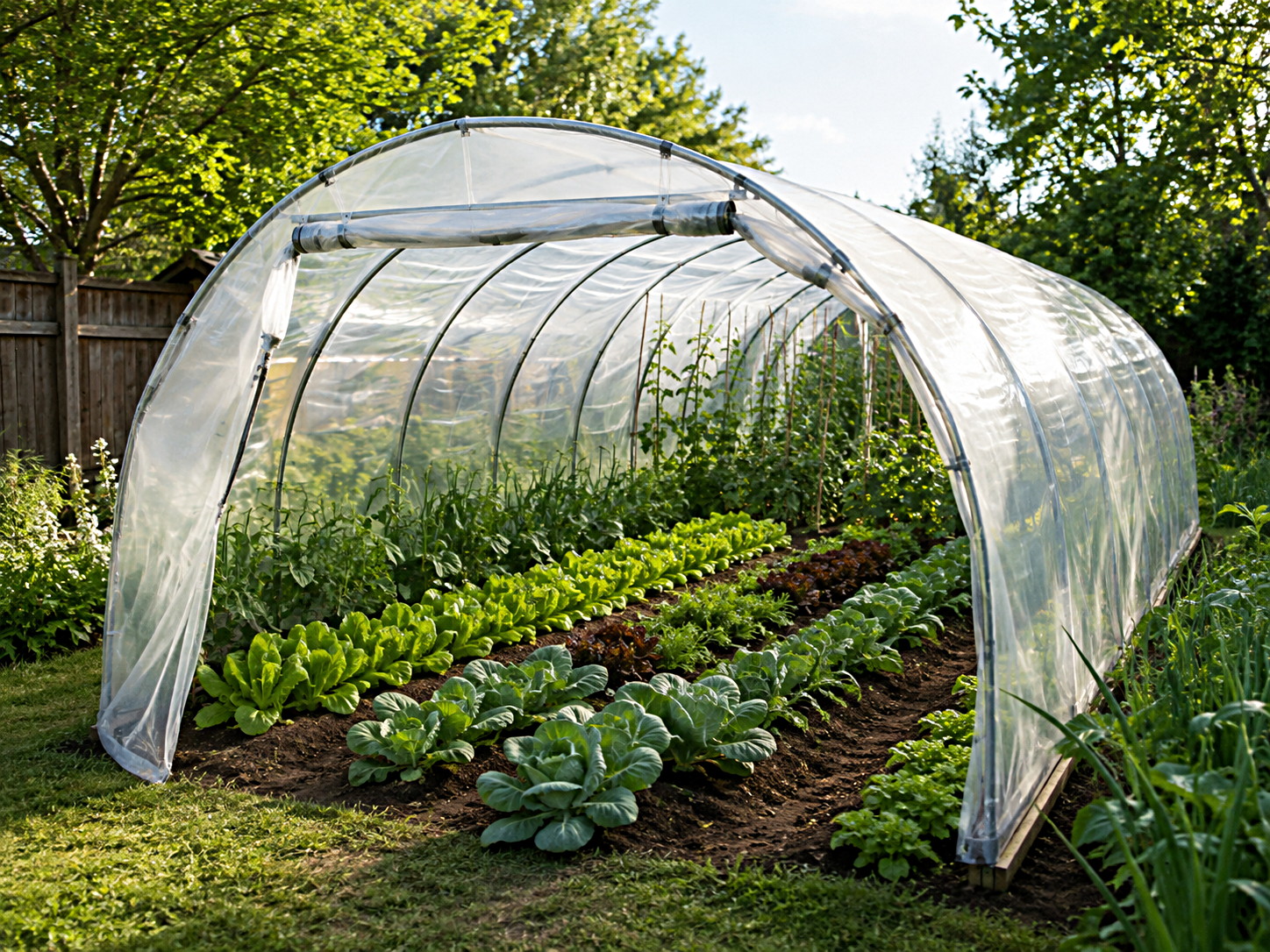
Hoop House
A curved covered structure that protects larger beds and crop rows.
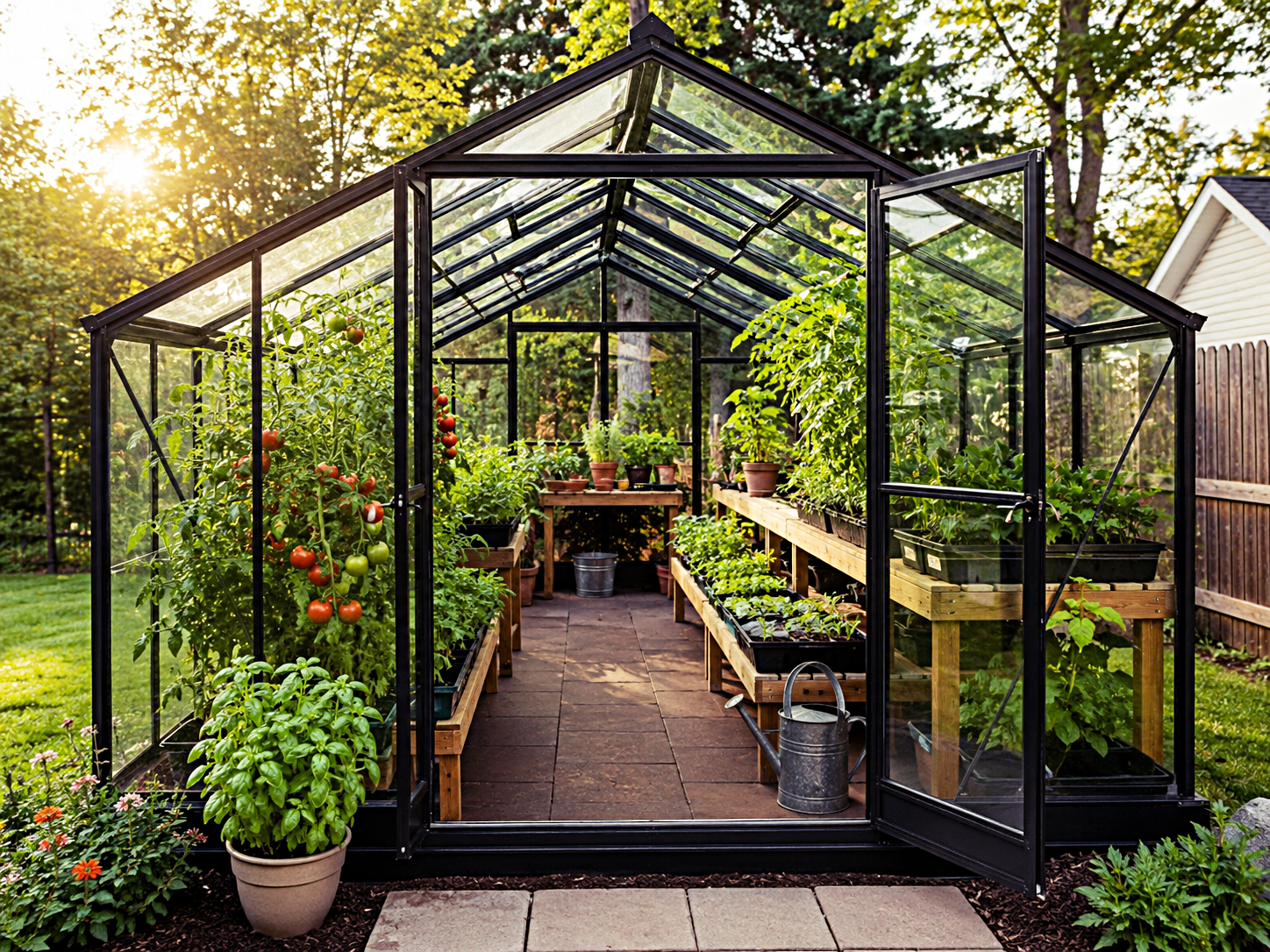
Backyard Greenhouse
A walk-in structure with room for benches, containers and longer-term growing.
Placement affects light, heat and convenience.
Sun exposure
Choose a site with useful seasonal sunlight and limited deep shade.
Wind protection
Avoid exposed locations where strong winds may damage the structure.
Water access
Keep watering simple by placing the structure near a reliable source.
Daily access
Put the greenhouse where you can check it regularly in every season.
A greenhouse can become too hot as easily as too cold.
Temperature, humidity and airflow need regular attention.
Ventilation
Use doors, roof vents, side vents or fans to release excess heat.
Temperature
Track daytime highs and nighttime lows instead of guessing.
Humidity
Reduce stagnant moisture with spacing, airflow and careful watering.
Shade
Use shade cloth or seasonal cover when sunlight becomes too intense.
Make room for plants and for yourself.
Benches and shelves
Use sturdy surfaces that keep containers organized and easy to reach.
Clear pathways
Leave enough space to water, harvest, clean and move safely.
Flexible containers
Use pots, trays and grow bags that can be moved as seasons change.
Choose plants that benefit from protection.
Seedlings
Start vegetables earlier before moving them into the garden.
Leafy Greens
Lettuce, spinach and kale can benefit from cool-season protection.
Tomatoes
Warm-season plants can benefit from added shelter and a longer season.
Herbs
Basil, parsley and other herbs fit containers and greenhouse benches.
Let the greenhouse support each season.
Start seedlings
Prepare trays and begin selected crops before outdoor planting time.
Harden and transition
Use the protected space to help plants adjust before moving outdoors.
Vent and shade
Focus on heat control, airflow and preventing excessive humidity.
Extend harvests
Protect cool-season crops and keep selected plants productive longer.
Notice small issues before they become large ones.
The greenhouse overheats
Increase ventilation, add shade and reduce trapped heat during the warmest hours.
Condensation stays on surfaces
Improve airflow, spacing and watering timing to reduce persistent moisture.
Plants become weak or stretched
Check seasonal light levels, crowding and temperature conditions.
Pests spread quickly
Inspect new plants, clean the space and remove damaged material promptly.
Prepare the space before filling it with plants.
Structure and climate
Interior setup
Choose your next step.
A greenhouse is most useful when it is simple enough to manage every day.
Begin with a realistic structure, learn how it behaves through the seasons and expand slowly.